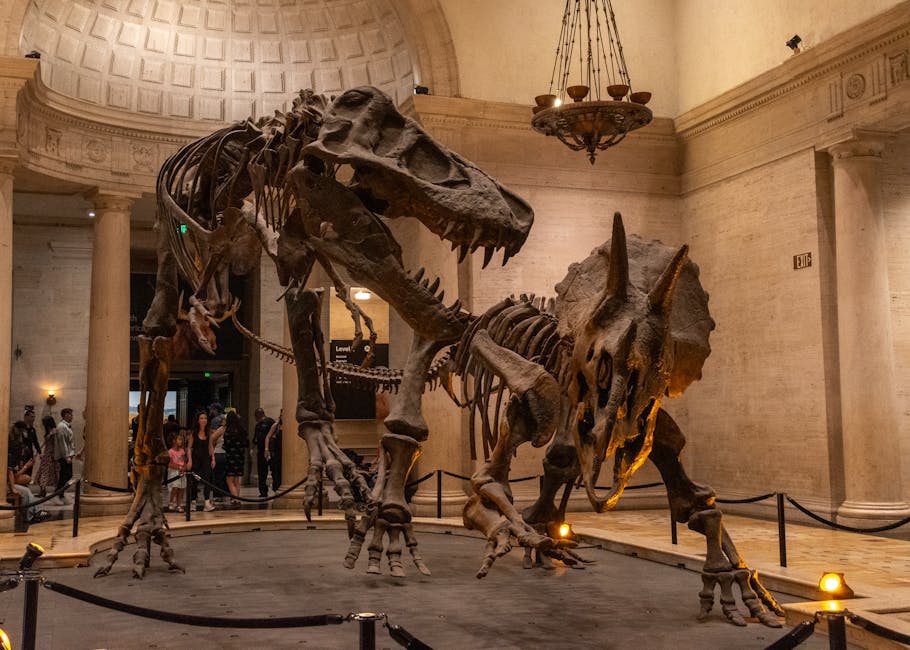
About Jurassic Journal

Jurassic Journal is an informational platform dedicated to the study of dinosaurs and the prehistoric eras they inhabited. Our team of contributors includes paleontologists, science communicators, and researchers who share a passion for uncovering how Earth’s ecosystems evolved. We present articles that explain the processes behind fossil recovery, dating techniques, and the reconstruction of ancient environments. Rather than offering definitive conclusions, we emphasize the ongoing nature of scientific inquiry. Each piece is designed to invite readers into a world of discovery, where hypotheses are tested and new questions constantly arise. Our mission is to provide context for the methods paleontologists use, not to prescribe what you should believe.
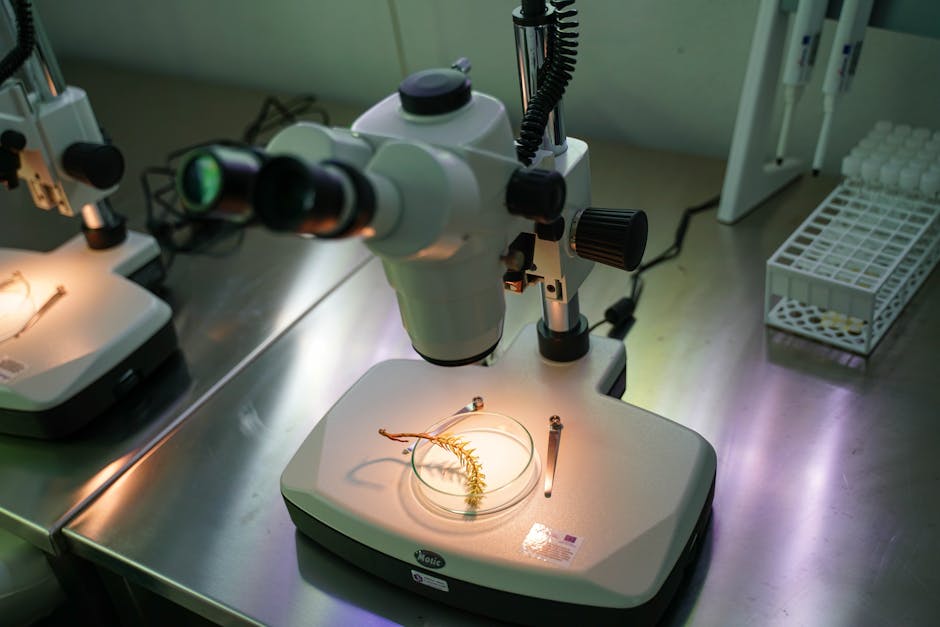
Microscopes with biological samples in a laboratory setting, showcasing science in action.

What You’ll Find Here

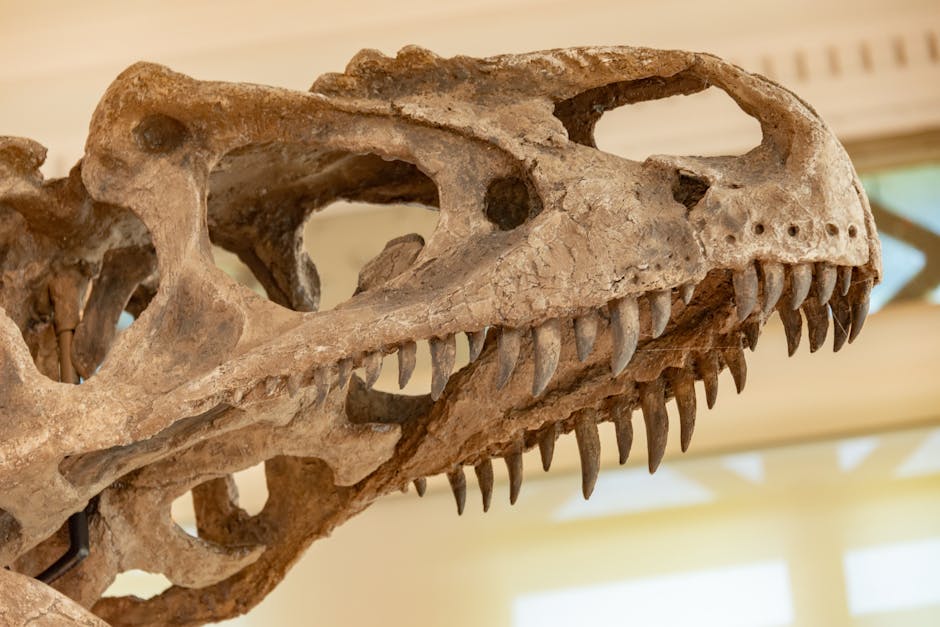
Detailed view of a dinosaur skull with teeth on display in a museum.
  • Latest Discoveries

    Weekly updates on newly unearthed fossils and ongoing excavations worldwide.

  • Expert Insights

    Interviews and articles that explain how paleontologists analyze evidence.

  • Prehistoric Worlds

    Reconstructions of ancient climates, landscapes, and ecosystems through data.

  • Methodology Focus

    Clear explanations of dating, imaging, and comparative anatomy techniques.

The Process of Discovery

Paleontology relies on a structured set of methods to interpret the deep past. From field excavation protocols to laboratory analyses such as CT scanning and isotope dating, each step follows established scientific frameworks. Researchers do not claim to reconstruct a perfect picture; instead, they build models that are continually refined as new evidence appears. This process is inherently collaborative and self-correcting. Our articles aim to demystify these techniques, showing how hypotheses are formed and tested. We avoid drawing direct lines from evidence to grand narratives, recognizing that every conclusion is provisional and context-dependent.

Fossils Through the Lens

A visual collection of fossils, excavation sites, and museum displays that illustrate the variety of dinosaur remains and the environments where they are found. Each image accompanies an article explaining the context of the specimen.
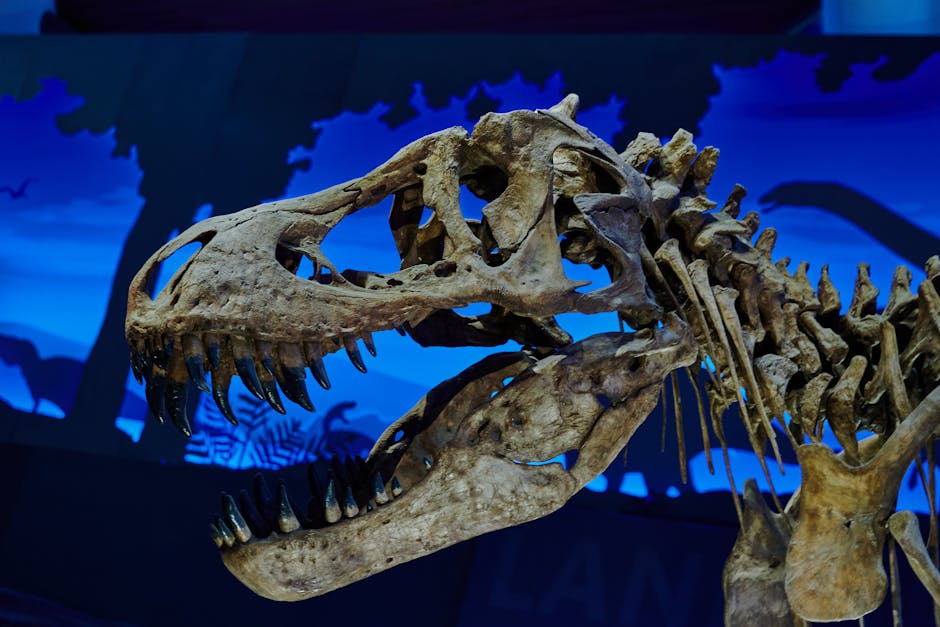
Close-up of a Tyrannosaurus Rex skull fossil displayed in a museum.
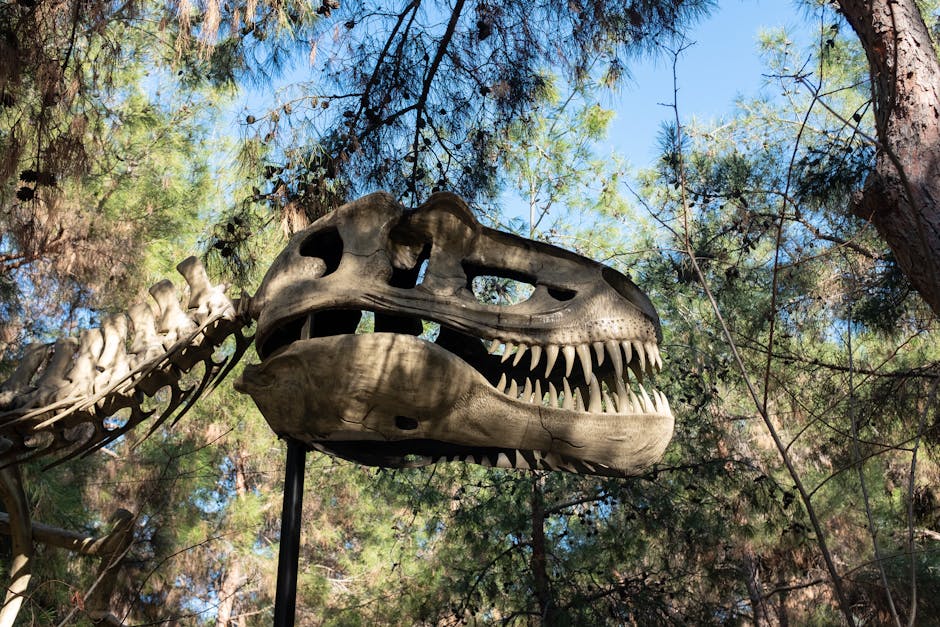
A dinosaur skeleton amidst trees, capturing a prehistoric ambiance in Antalya's forests.
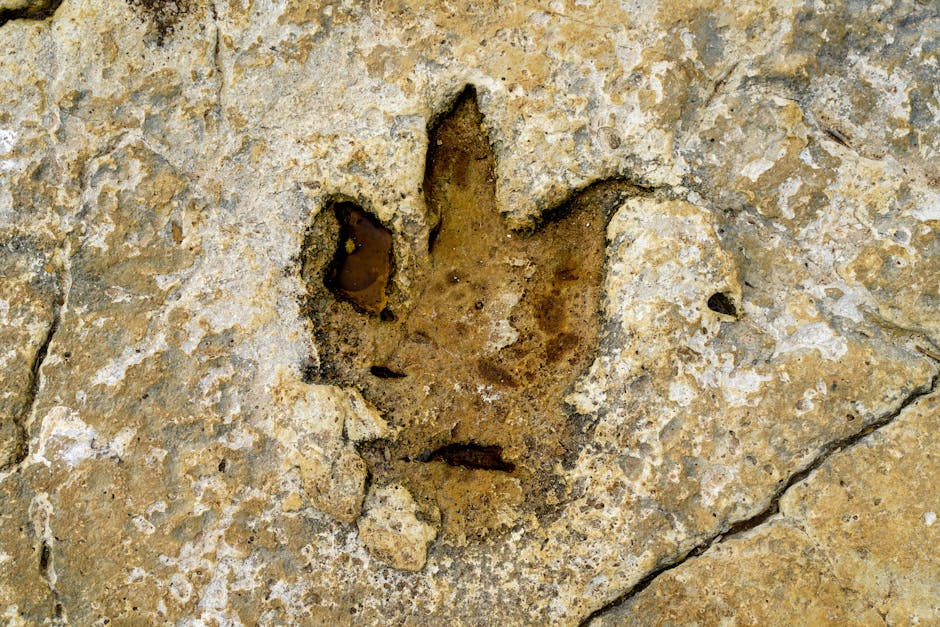
Close-up of a dinosaur footprint fossil on rocky terrain in Istria, Croatia, showcasing natural history and ancient life.
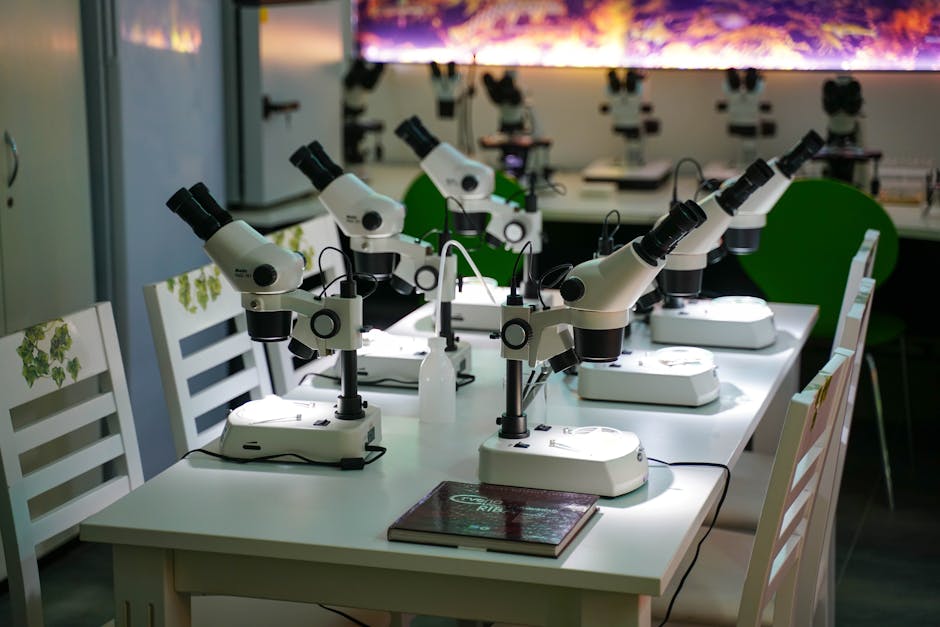
A modern laboratory full of microscopes, ready for scientific research and study.

Connecting Past and Present

Understanding dinosaurs also means examining the ecosystems they inhabited and how those systems changed over millions of years. Paleontologists use comparative anatomy, sedimentology, and climatology to piece together these ancient worlds. Our pieces explore how modern environments provide analogies for past conditions, while stressing that no single model can capture every variable. By focusing on the evidence and the reasoning behind interpretations, we encourage readers to appreciate the complexity of reconstructing life that vanished long before humans appeared.

Stay Connected

Receive our monthly newsletter with curated articles, field notes, and updates on new research. No spam, just science.

Subscribe to Jurassic Journal

Stay Connected

Receive our monthly newsletter with curated articles, field notes, and updates on new research. No spam, just science.

🦖 Jurassic Journal
Jurassic Journal is a non‑commercial blog dedicated to presenting paleontological research in an accessible, method‑focused format. We value curiosity and evidence‑based discussion.
Address: 1200 S Lake Shore Dr, Chicago, IL
Contact: (312) 278-4196

© 2026 Jurassic Journal. All rights reserved.

We use cookies

We use cookies to ensure the proper functioning of the website, analyze traffic, and improve your experience. You can accept all cookies or reject them — the site will continue to operate. For more details, read our Cookie Policy.